Category: Uncategorized

  • Free Book Study Guide: Charlotte’s Web (Ages 6–10)

    *This is the first guide in our Homeschool Book Study Program — free for every family who wants it.*

    —

    **Book:** Charlotte’s Web by E.B. White
    **Ages:** 6–10
    **Reading time:** 2–3 weeks at a relaxed pace
    **Chapters:** 22

    —

    ## Before You Begin — Setting the Stage

    Before reading the first chapter, ask your child: *”Have you ever had a friend who was really different from you? What made the friendship special?”*

    Then open the book together.

    —

    ## Chapter-by-Chapter Guide

    ### Chapters 1–3: Wilbur Arrives

    **What happens:** Fern saves a baby pig from being killed. Wilbur moves to her uncle’s farm. He begins to feel lonely.

    **Discussion questions:**
    – Why did Fern’s father want to kill the pig? Was he being cruel, or just practical? Is there a difference?
    – Wilbur has everything he needs — food, shelter, warmth — but he’s still unhappy. Why? What does he actually want?
    – Have you ever felt lonely even when people were around?

    **Vocabulary:** injustice, radiant, humble, gander

    **Lesson connection (Life skills):** Talk about where food comes from. Farms aren’t just pretty — they’re working places with hard decisions.

    —

    ### Chapters 4–7: Charlotte Appears

    **What happens:** Wilbur meets Charlotte, a spider who talks. At first Wilbur is scared. Then they become friends. Charlotte is direct, clever, and kind.

    **Discussion questions:**
    – Wilbur judged Charlotte before he knew her. Have you ever been wrong about someone at first?
    – Charlotte says “I am not sweet. I am a trapper.” What does she mean? Can someone be good without being “nice”?
    – What makes Charlotte a good friend — not just a nice one?

    **Vocabulary:** versatile, salutations, sedentary, spinnerets

    **Lesson connection (Science):** Spiders! Look up orb weaver spiders together. How do they really spin webs? (Charlotte’s species is *Aranea cavatica* — a barn spider.)

    —

    ### Chapters 8–12: The Plan

    **What happens:** Wilbur learns he’ll be slaughtered at Christmas. Charlotte decides to save him — by writing words in her web. “SOME PIG” appears.

    **Discussion questions:**
    – Charlotte doesn’t tell Wilbur her plan right away. Why not? Was that the right call?
    – The farmers think the web is a miracle. Is it? What really makes something miraculous?
    – Templeton only helps if there’s something in it for him. Is that friendship? Can selfish people still be useful?

    **Vocabulary:** campaign, hysterics, phenomenon, scheming

    **Lesson connection (Writing):** Charlotte chooses her words carefully — HUMBLE, RADIANT, TERRIFIC. Have your child pick three words that describe *them*, then explain why they chose each one.

    —

    ### Chapters 13–17: Fame and the Fair

    **What happens:** Wilbur becomes famous. The family takes him to the County Fair. Charlotte comes too, even though she is very tired.

    **Discussion questions:**
    – Charlotte is sick and weak but still helps Wilbur. Why? Have you ever done something hard for someone you love?
    – Wilbur wins a special prize at the fair. But what is the real win of the story so far?
    – Why do you think the author takes so much time describing the fair? What does it feel like?

    **Vocabulary:** exhibiting, languishing, distinguished, perspiring

    **Lesson connection (Math/Social Studies):** County fairs! Look up your nearest county fair. What kinds of contests happen there? What do farmers enter?

    —

    ### Chapters 18–22: Goodbye, Charlotte

    **What happens:** Charlotte lays her egg sac, then dies. Wilbur is heartbroken. In spring, 514 of Charlotte’s babies hatch — but most float away on the breeze. Three stay.

    **Discussion questions:**
    – Charlotte knew she was going to die. Did that make her sad? How did she face it?
    – Wilbur says “I’ll never forget you.” What does it mean to truly remember someone?
    – Most of the baby spiders leave. Does that mean Charlotte’s legacy was a failure?

    **Vocabulary:** canopy, magnum opus, legacy, languished

    **Lesson connection (Nature/Faith):** Talk about life cycles. Talk about what we leave behind. What is *your* magnum opus — your great work?

    —

    ## Full Lesson Plan (3 Weeks)

    | Week | Chapters | Focus |
    |——|———-|——-|
    | Week 1 | 1–7 | Friendship, first impressions, farm life |
    | Week 2 | 8–15 | Loyalty, words and their power, teamwork |
    | Week 3 | 16–22 | Loss, legacy, what makes a good life |

    **Daily rhythm suggestion:**
    – Read 1–2 chapters aloud (or together)
    – Pick 1 discussion question at the table
    – 1 vocabulary word per day — have them use it in a sentence before bed

    —

    ## Writing Prompts (choose one per week)

    1. *Week 1:* If you were Wilbur, write a letter to Fern thanking her for saving your life.
    2. *Week 2:* Charlotte needs a new word for Wilbur’s web. Invent three options and explain each one.
    3. *Week 3:* Write a short story about what happens to Joy, Aranea, and Nellie (the three spiders who stayed) the following spring.

    —

    ## What Your Child Will Learn

    – **Reading comprehension** — following a multi-chapter story arc
    – **Vocabulary in context** — E.B. White’s language is rich and precise
    – **Critical thinking** — nothing in this book is black and white
    – **Emotional literacy** — grief, loyalty, friendship, and letting go
    – **Science** — spiders, farms, animals, life cycles
    – **Writing** — practicing voice, description, and empathy

    —

    ## Want More Guides?

    [Visit our Book Study Program page](/book-study/) and comment with the next book you’d like a guide for.

    *We homeschool on our 5-acre homestead in Lyon County, Nevada. Starnook is where we share everything we’re learning together.*
  • Starnook Life: Chicken Keeping as a Homeschool & Homestead Adventure

    Starnook Life: Chicken Keeping as a Homeschool & Homestead Adventure

    🐔 Starnook Life: Chicken Keeping as a Homeschool & Homestead Adventure

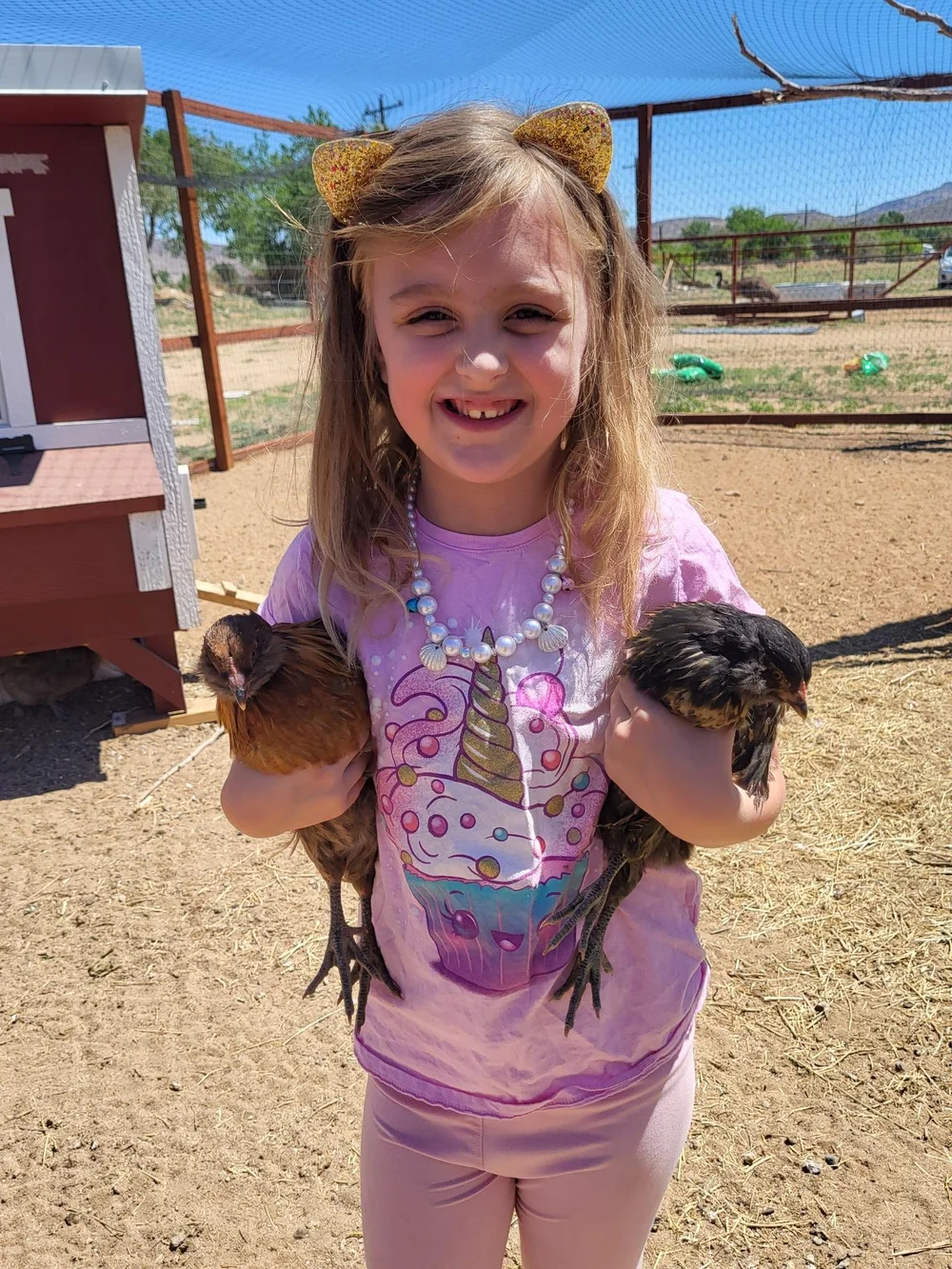
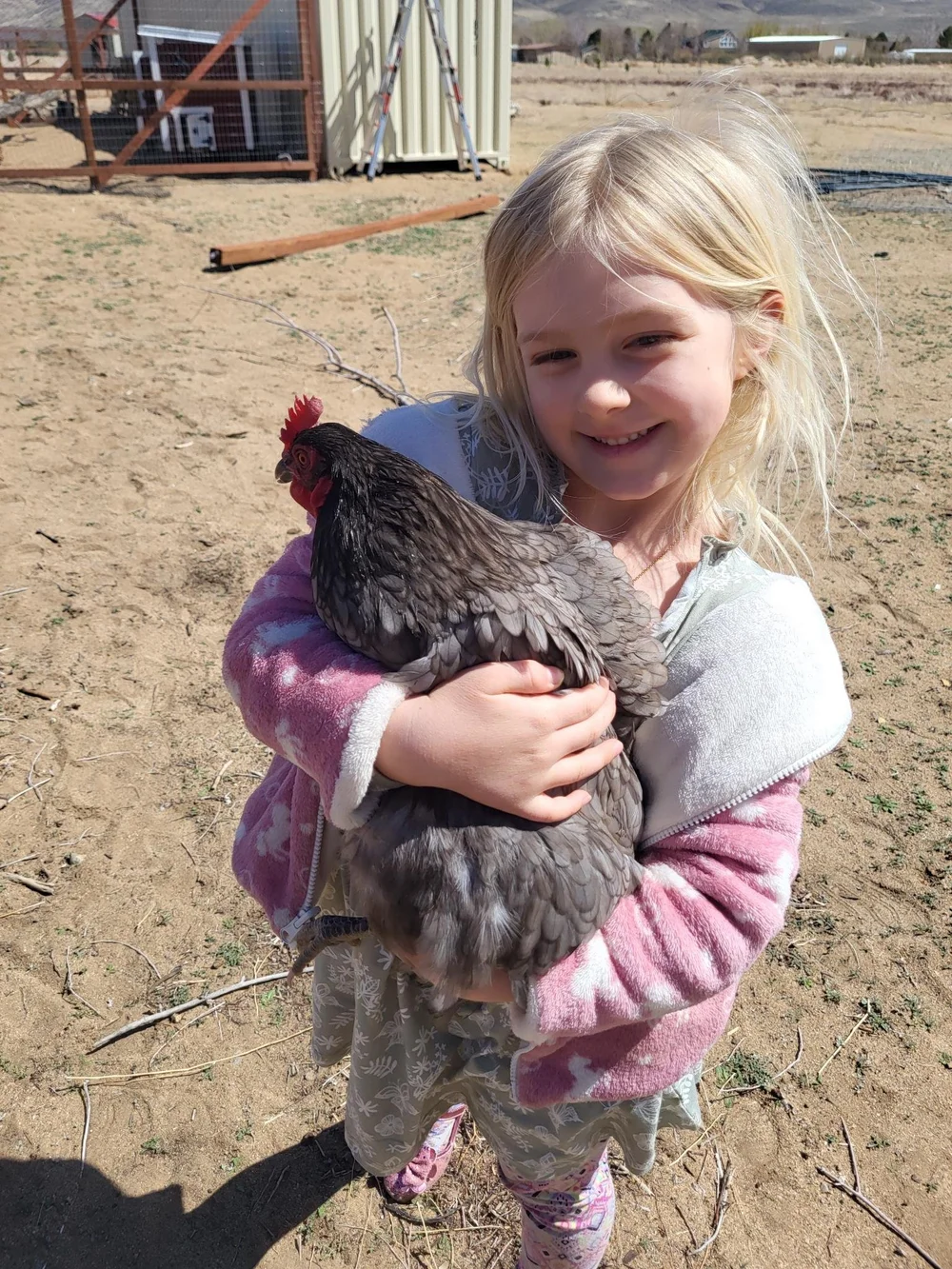
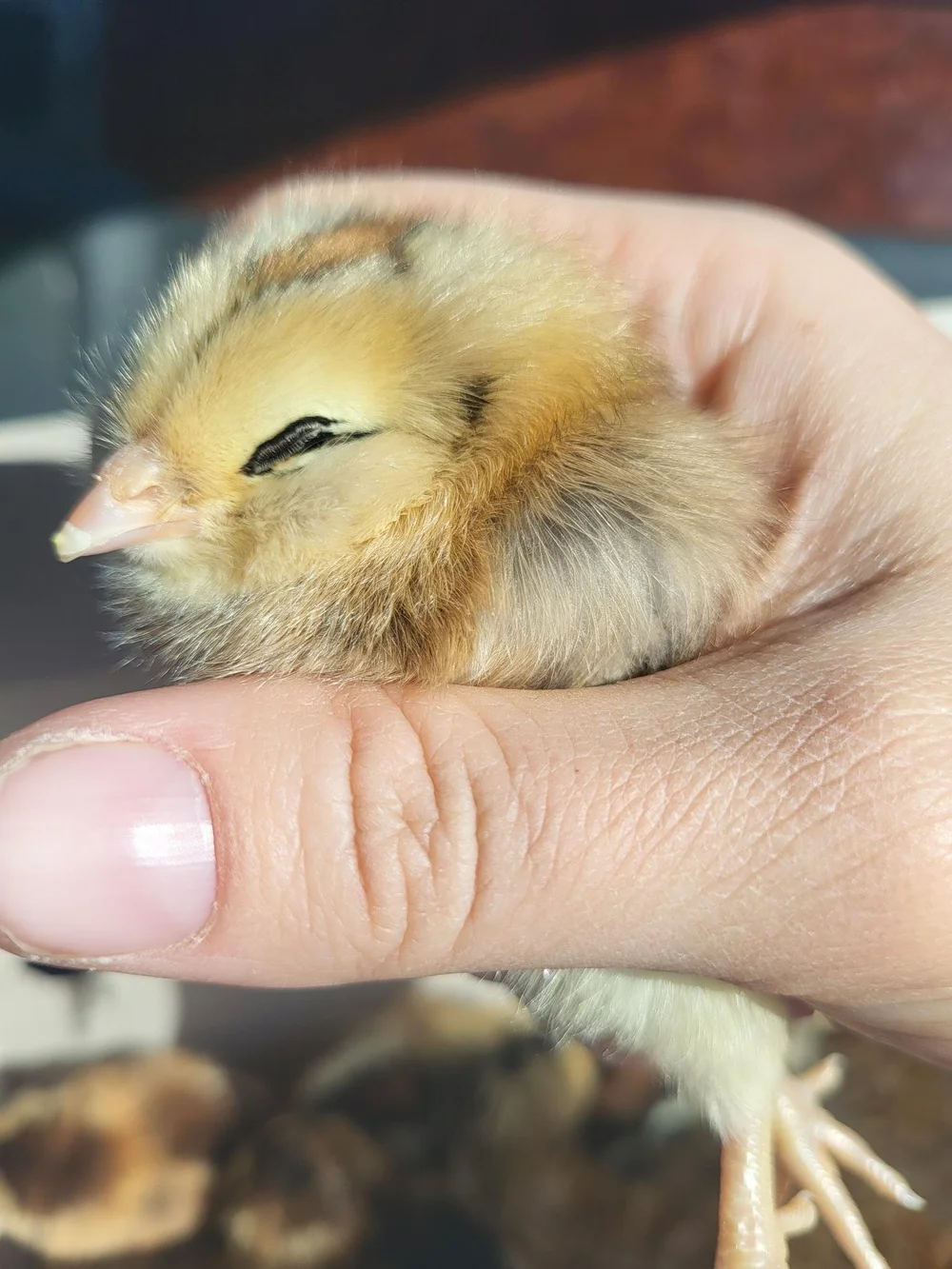
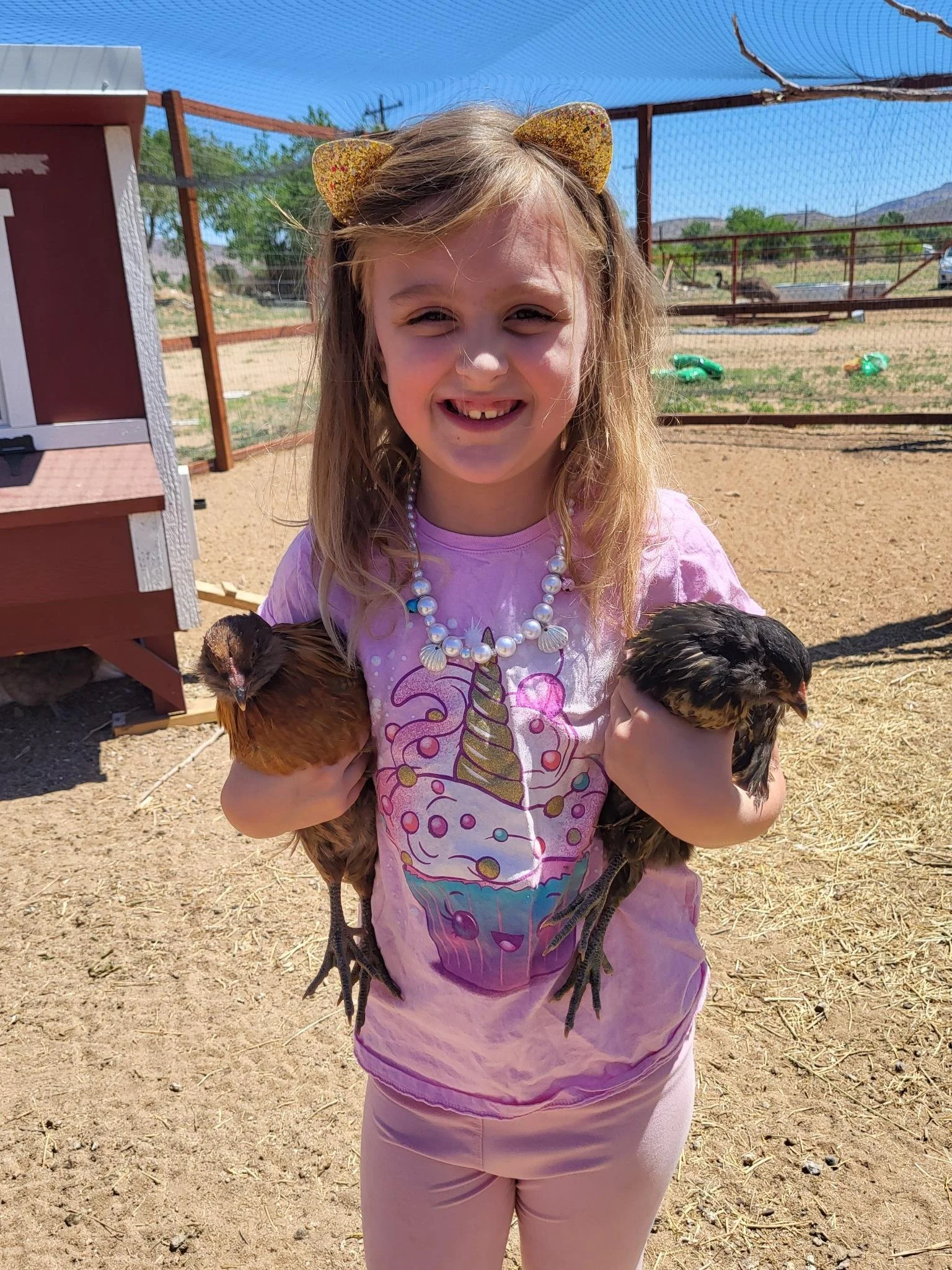
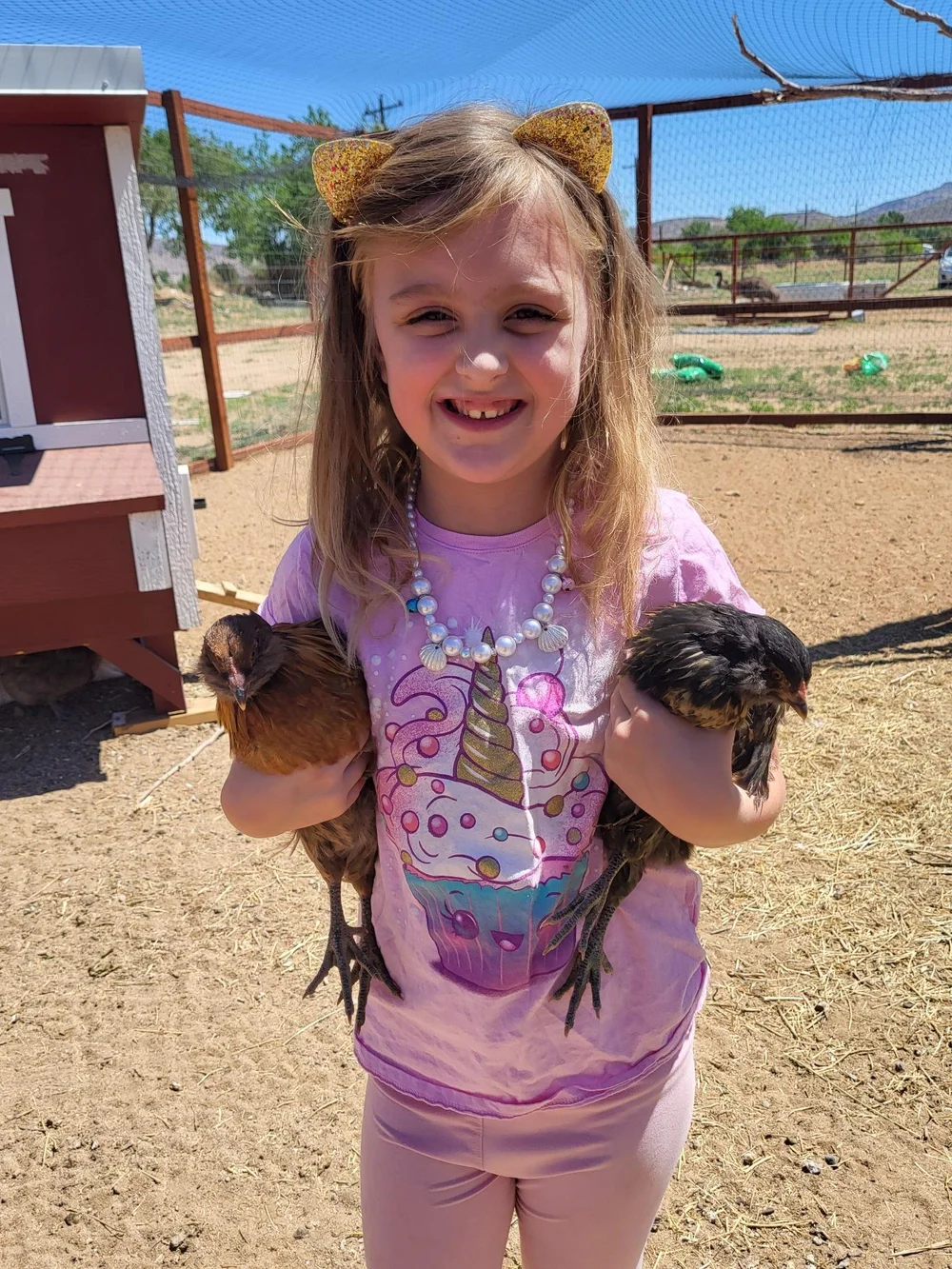
    One of our favorite parts of homesteading here on our 5-acre property has been raising chickens—and it’s quickly turned into one of the best hands-on learning experiences for our girls, Kristy and Brooke.

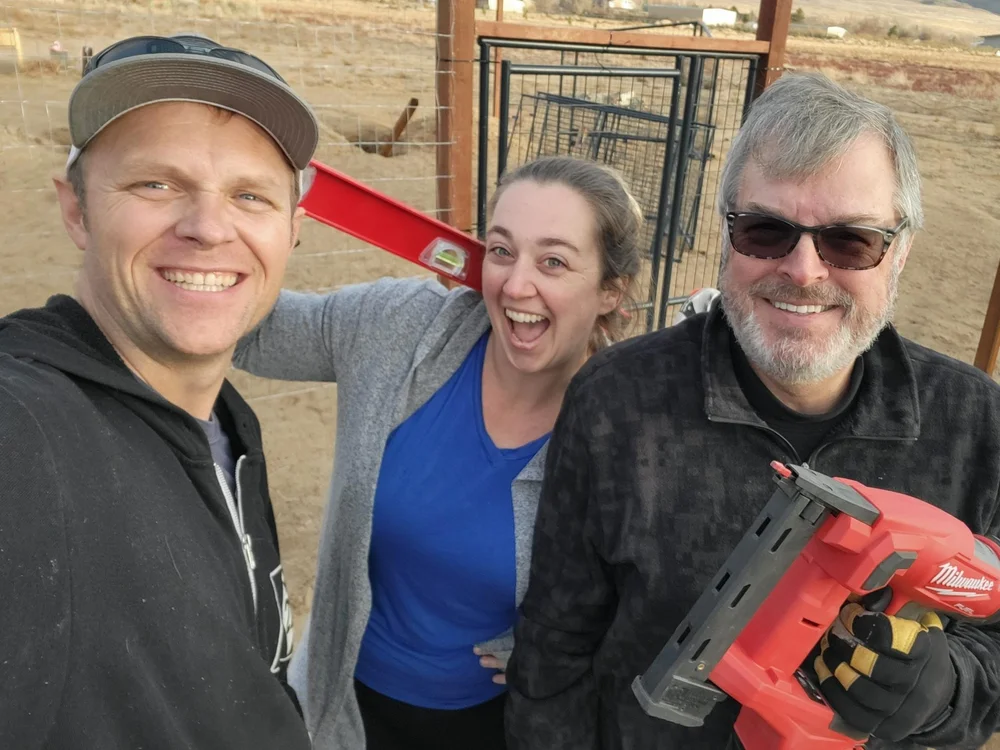
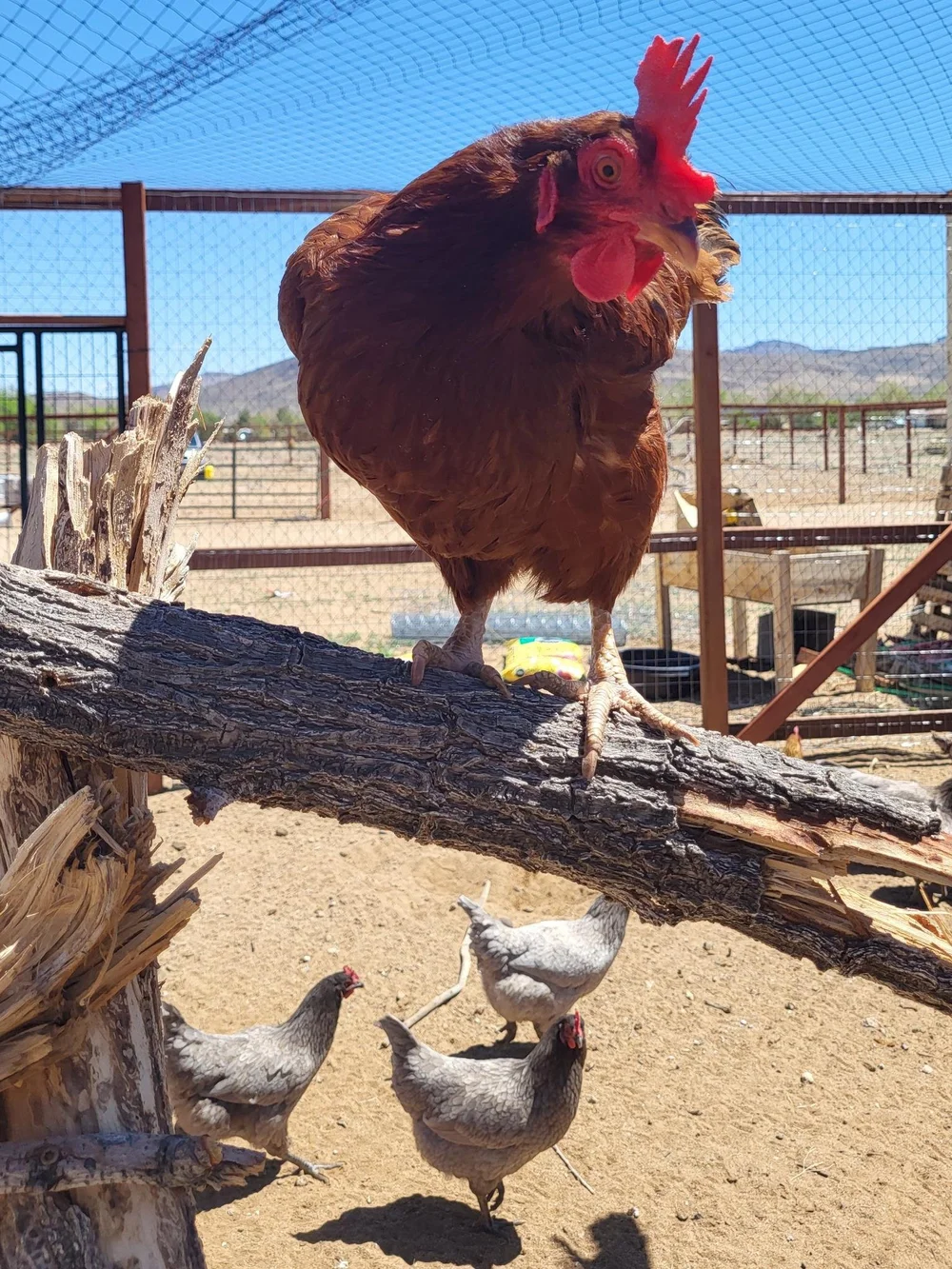
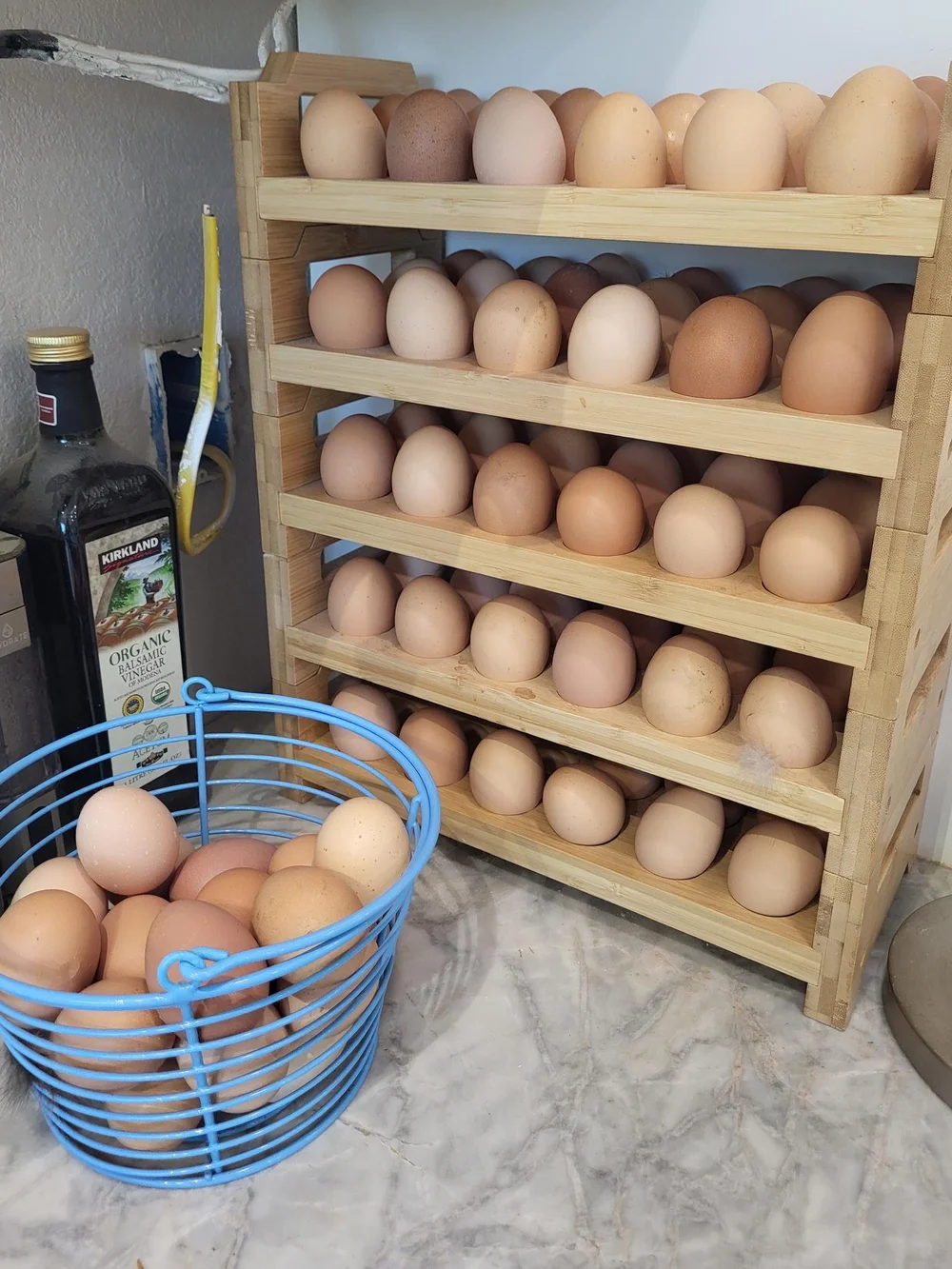
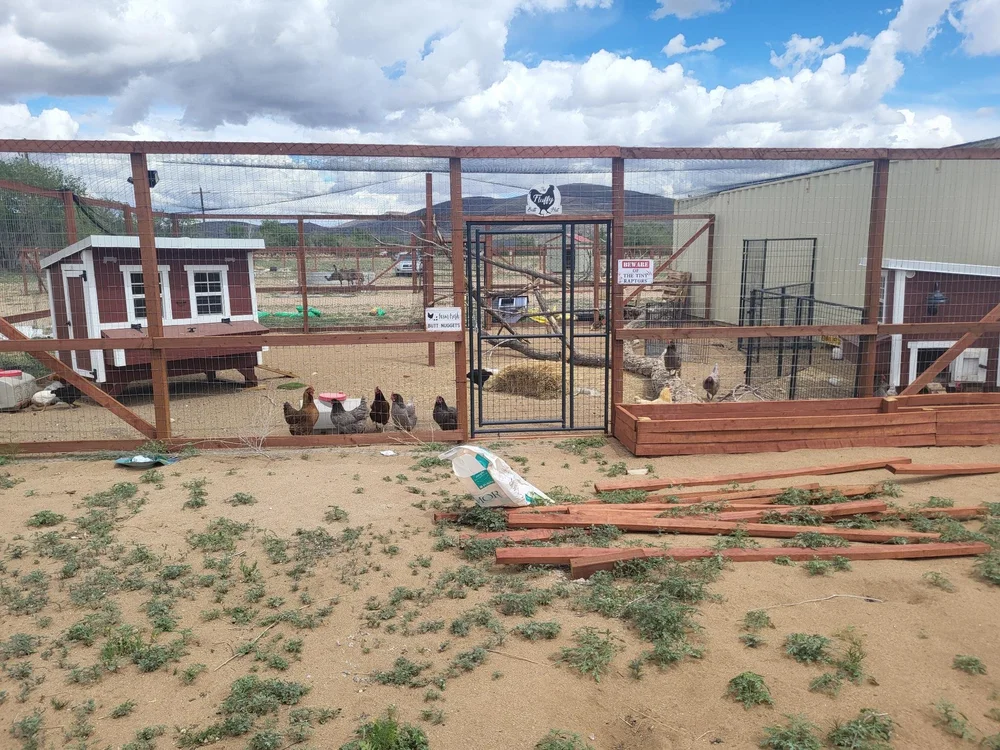
    This summer, egg production has exploded! With 30 happy hens living in their new 35ft x 35ft chicken run, we’re collecting nearly two dozen eggs every single day. The girls love going out each morning to check the nesting boxes, gather the fresh eggs, and make sure the chickens have plenty of food and water. It’s become a daily rhythm that teaches responsibility, compassion, and the joy of caring for animals.

    🧒 Why Chicken Keeping is Perfect for Homeschooling

    Chicken keeping is so much more than just fresh eggs:

    • 🥚 Math skills: Counting eggs, tracking daily totals, measuring food.

    • 📚 Science lessons: Learning about different breeds, life cycles, and healthy nutrition.

    • 🧠 Responsibility: Daily care builds strong habits and work ethic.

    • ❤️ Connection to nature: Watching their flock grow and thrive helps them feel part of the land.

    🐓 Meet Our Flock

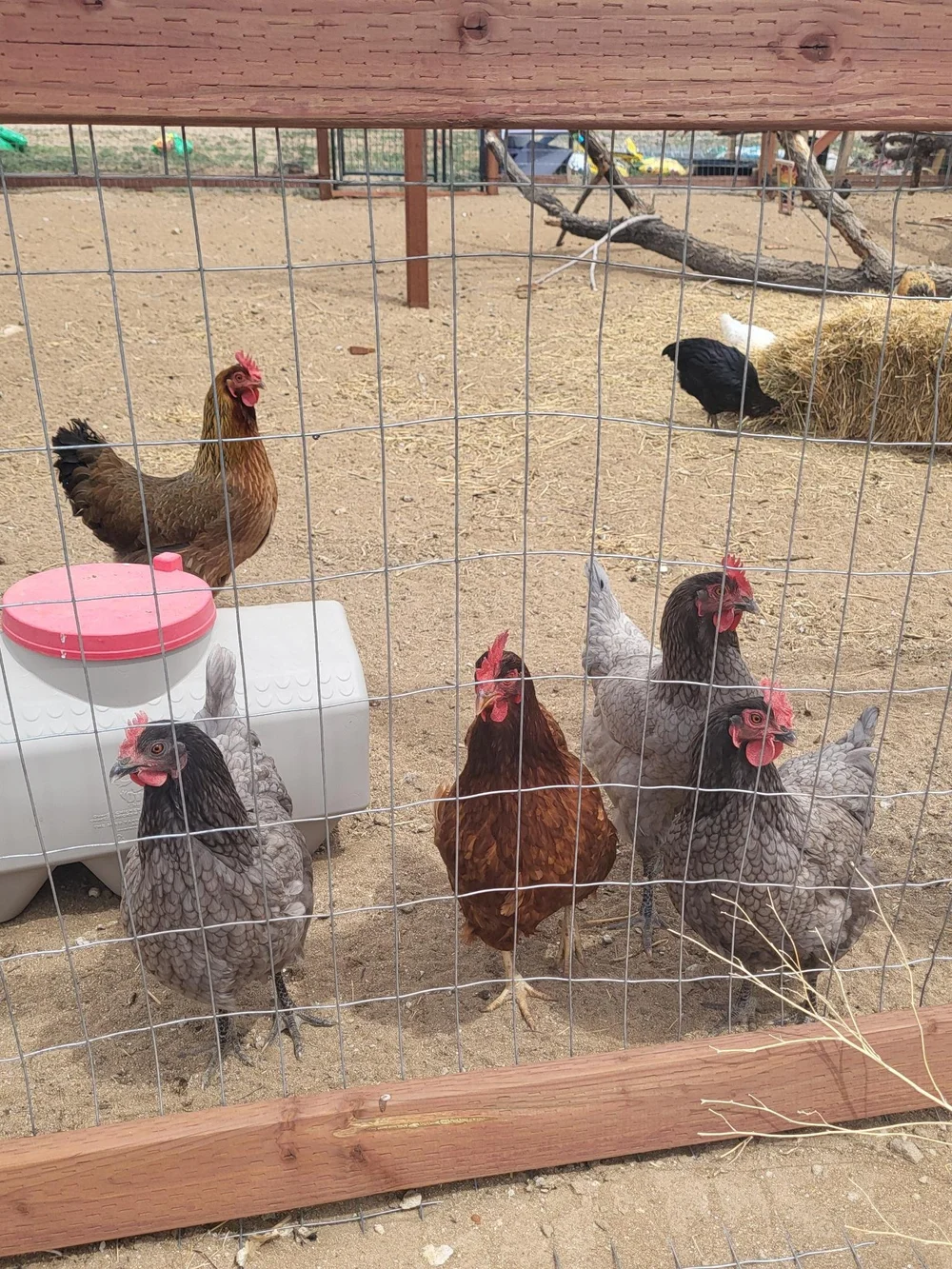
    We’ve had a blast getting to know all the different types of chickens in our coop:

    • Rhode Island Reds – dependable layers with big personalities.

    • Blue Sapphires – sleek, gorgeous birds with gentle temperaments.

    • Silkies – soft, fuzzy, and super cuddly!

    • Easter Eggers – they lay the cutest blue eggs that always surprise us.

    Each breed has its own charm, and Kristy and Brooke love pointing out which ones are their favorites.

    🍉 Our Chickens Love Treats Too

    Our flock doesn’t just eat feed—they’re spoiled with scraps from the dinner table. Their absolute favorite? Watermelon! Watching them chase after juicy chunks is always a family highlight. We make sure they stay cool, hydrated, and happy in the summer heat.

    We also added a protective net over the entire chicken run to keep them safe from hawks and other predators. It’s 8 feet tall, giving them plenty of space to flap, scratch, and explore.

    🛒 Future Farm Shop Dreams

    With so many eggs, we’ve started sharing them with our neighbors, friends, and even our dogs—who love a fresh egg cracked over their kibble. And who knows? One day soon, Kristy and Brooke might open a little farm stand at the front of the property to sell eggs, veggies, and other handmade goods. It’s a great way to teach entrepreneurship and community giving.

    signal-2025-06-01-234600_009.jpeg

    signal-2025-06-01-234600_008.jpeg

    signal-2025-06-01-234600_007.jpeg

    signal-2025-06-01-234600_006.jpeg

    signal-2025-06-01-234600_005.jpeg

    signal-2025-06-01-234600_004.jpeg

    signal-2025-06-01-234600_003.jpeg

    signal-2025-06-01-234600_002.jpeg

  • Starnook Adventures: A Wild Welcome from a Spotted Visitor

    Starnook Adventures: A Wild Welcome from a Spotted Visitor

    🌿 Starnook Adventures: A Wild Welcome from a Spotted Visitor 🦎

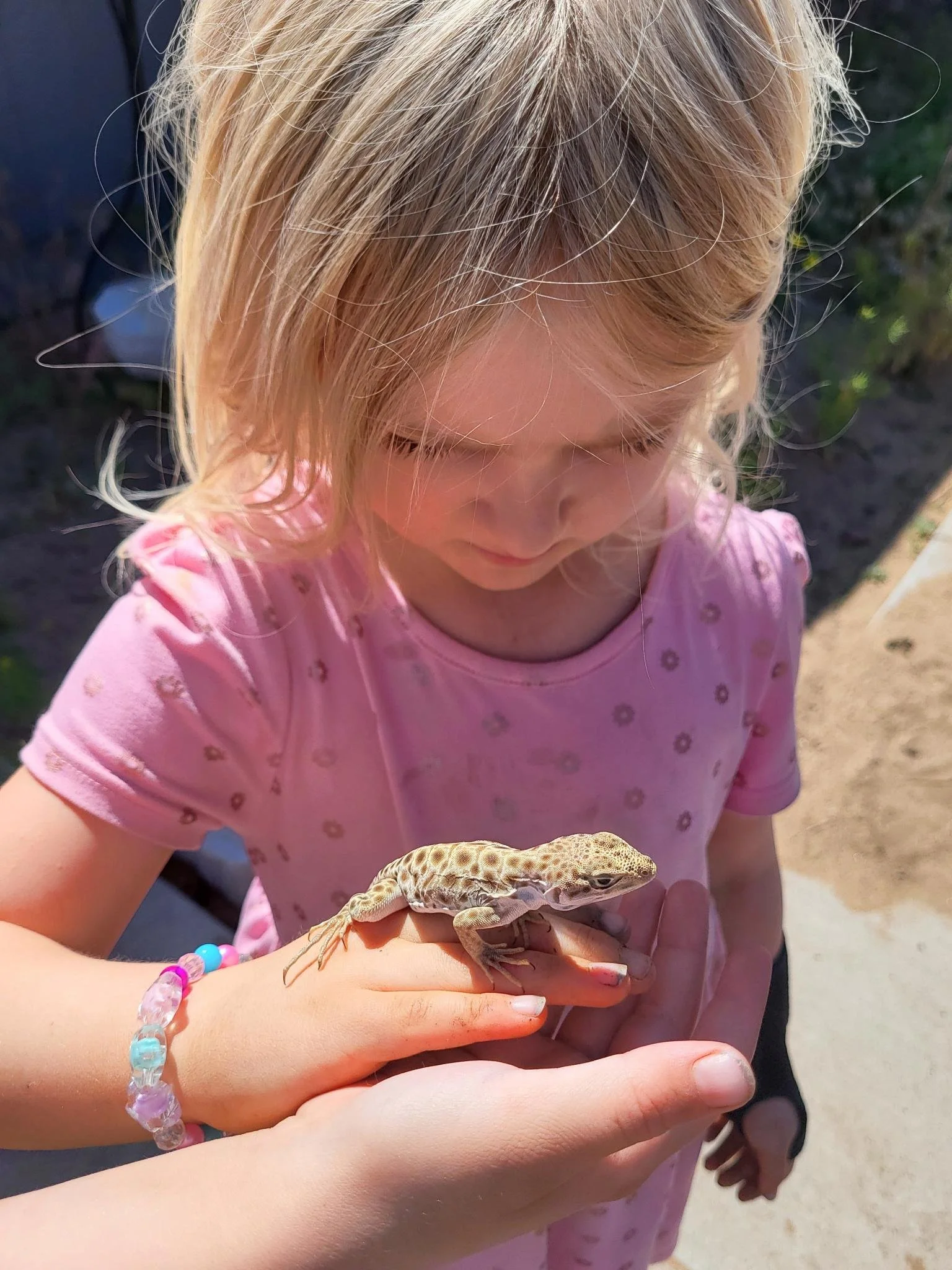
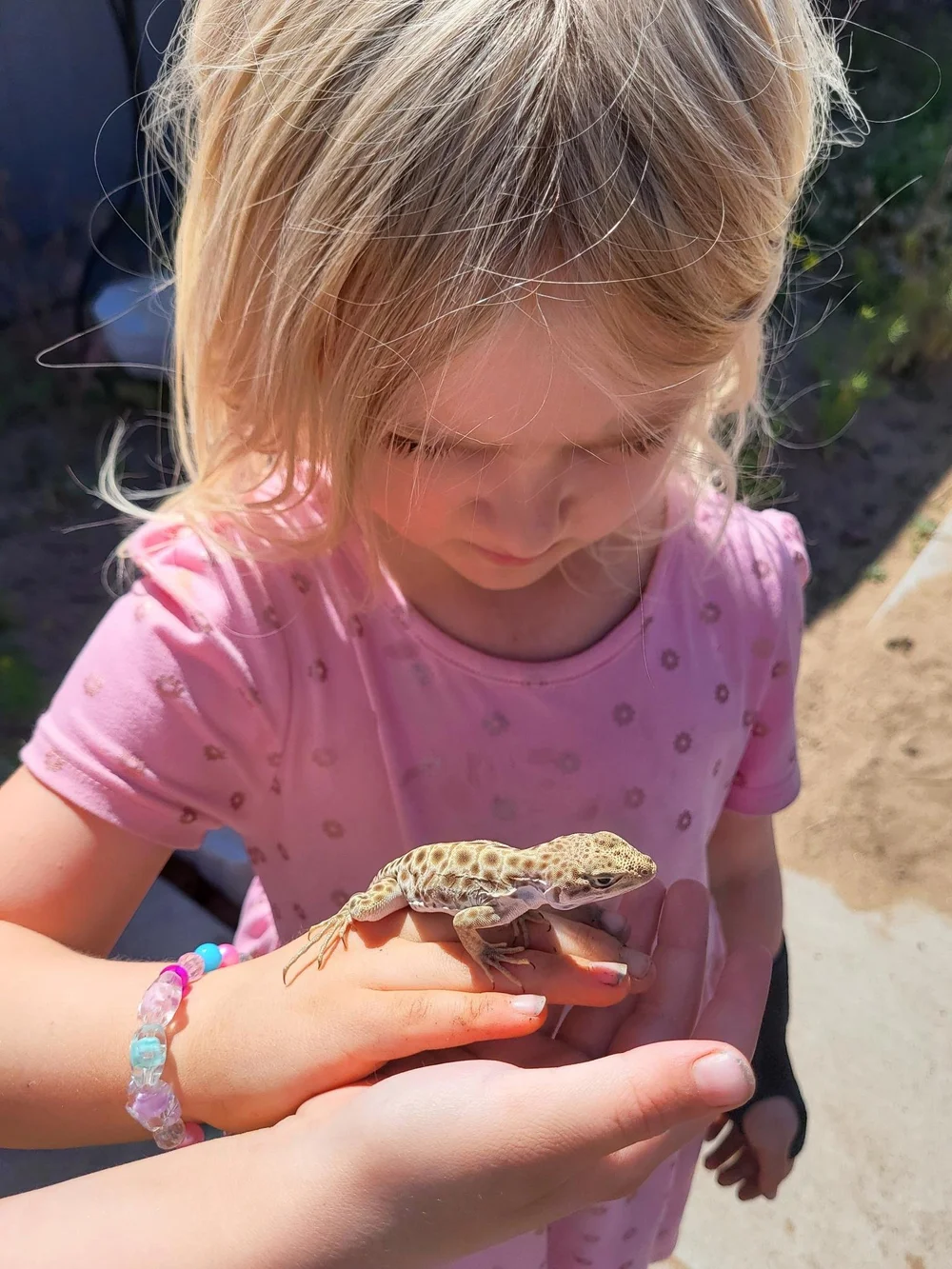
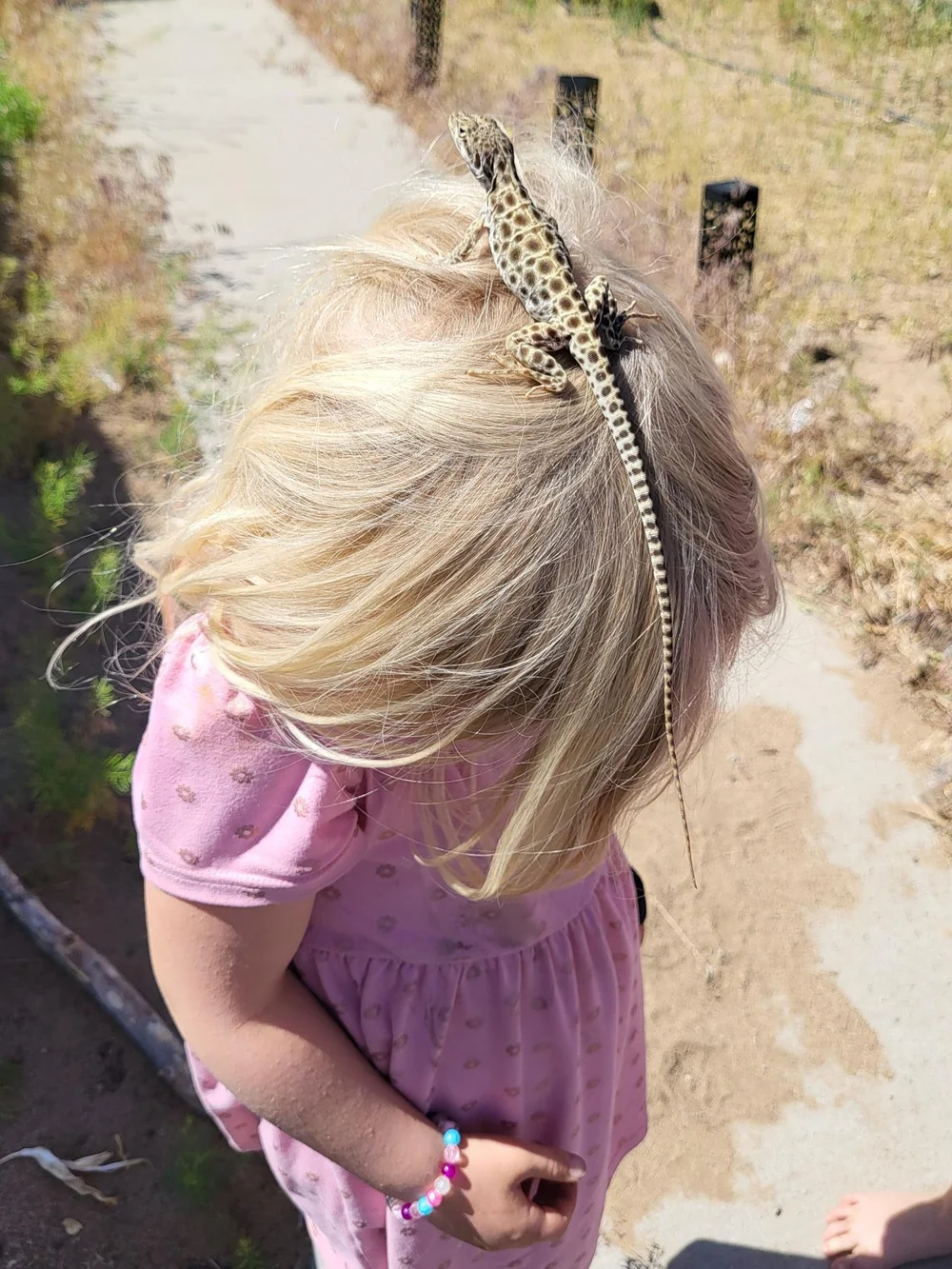
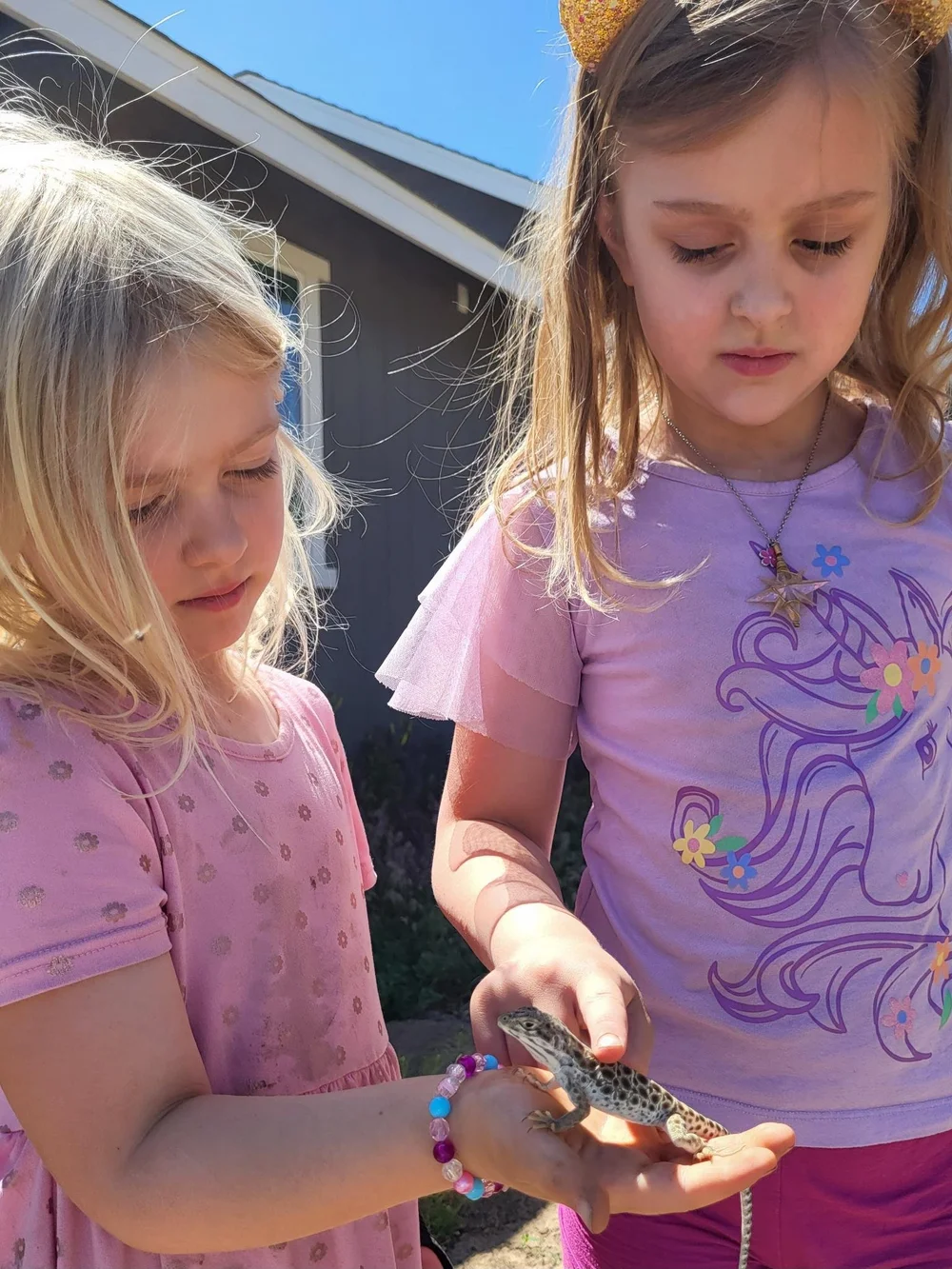
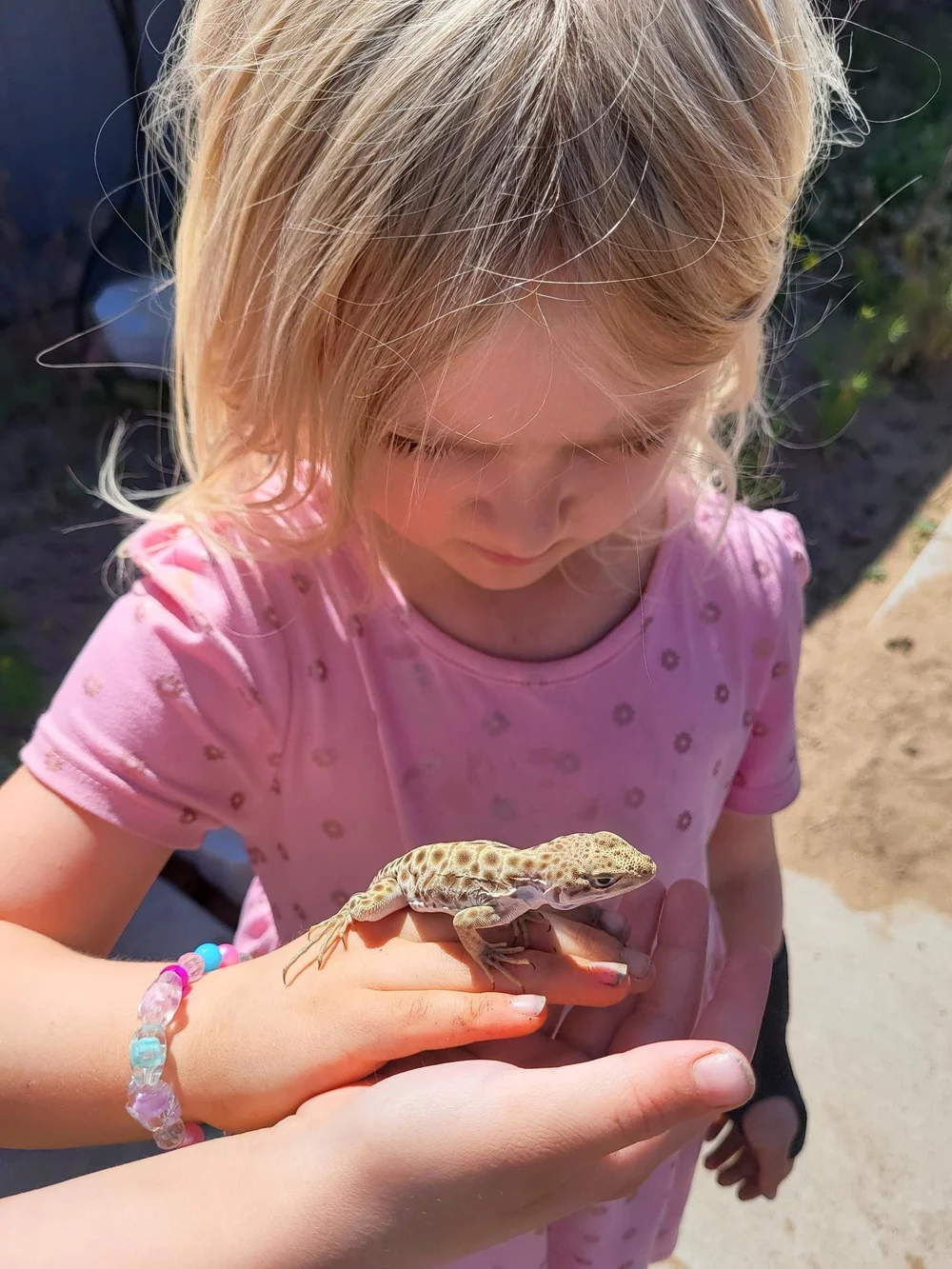
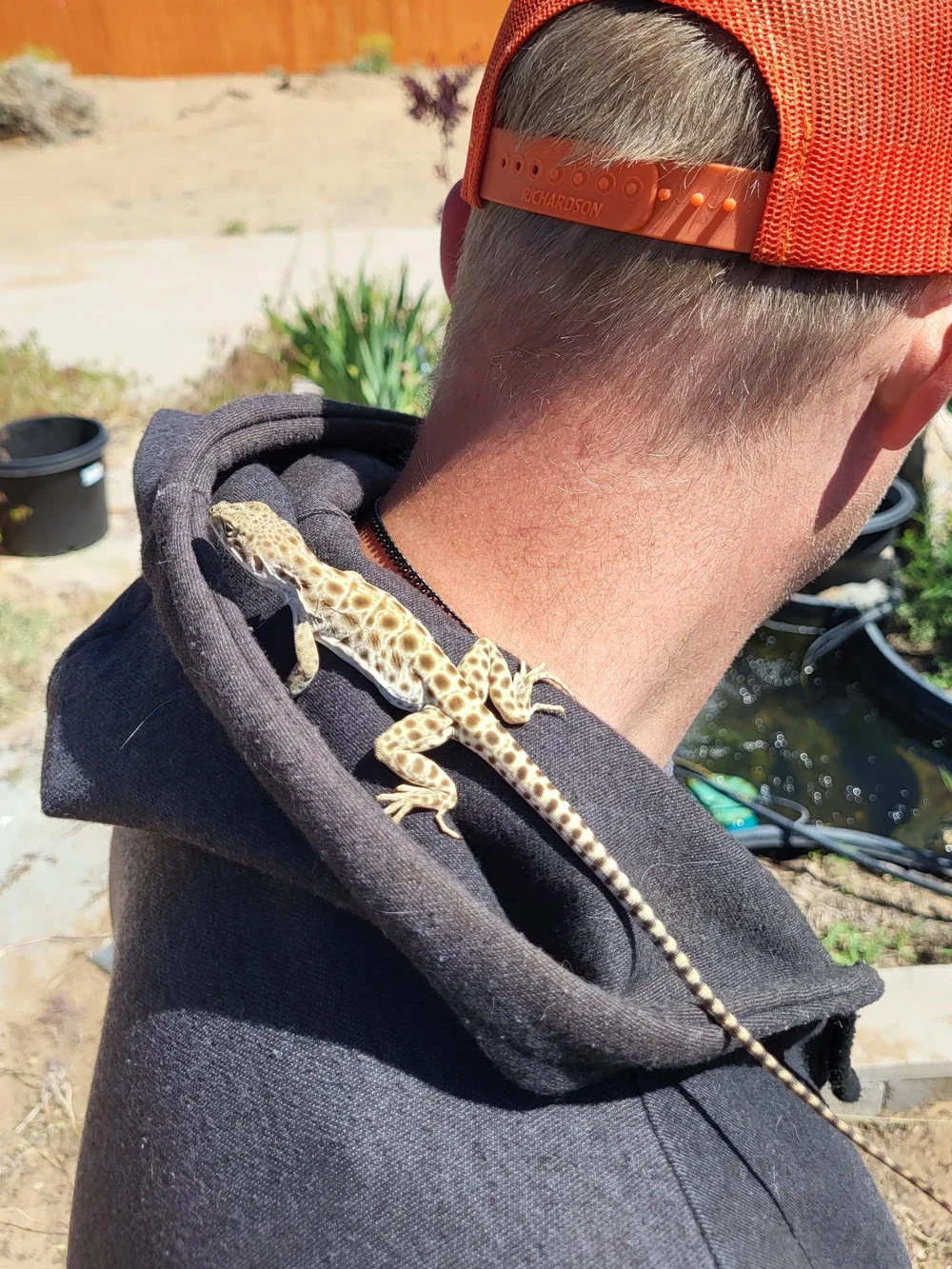
    One of our first magical moments on our new 5-acre property happened when this incredible little lizard jumped right onto Tracy’s arm! It was so calm and friendly, letting each of us take turns holding it. We were all amazed—especially when it showed a clear interest in our newly built fountain and happily explored the tall grass in our front yard.

    🦎 What kind of lizard is it?

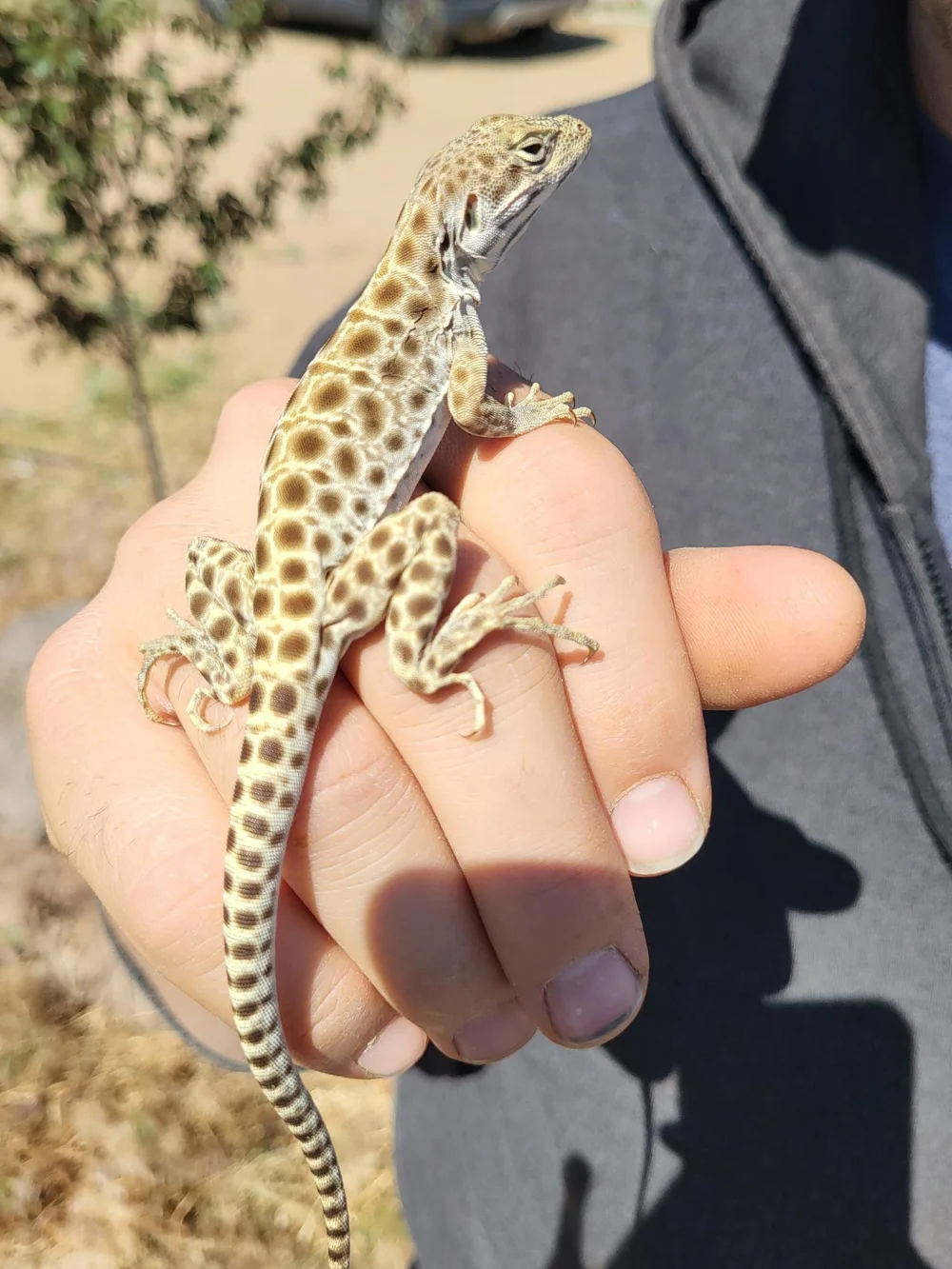
    We believe this curious little visitor was a Long-nosed Leopard Lizard (Gambelia wislizenii). These lizards are known for their bold spotted patterns and long tails—just like a mini leopard, but way cooler because it lives right here in the wild!

    🏞 Where do they live?

    These lizards thrive in dry, open terrain—think desert flats, sandy washes, and grassy or shrubby areas. Our Nevada homestead, with its mix of tall grass, dirt patches, and warm sun, seems like the perfect habitat for them.

    🍽 What do they eat?

    Leopard lizards are carnivorous, and they’re not picky! They’ll eat:

    • Grasshoppers

    • Beetles

    • Spiders

    • Other small insects

    • Occasionally even smaller lizards!

    They’re active hunters, using bursts of speed to catch their prey.

    📏 How big do they get?

    Adults can grow up to 12 inches long, including their tail. Males are often a bit larger than females. This one looked like it might’ve been a juvenile, but it was still impressively sized and healthy.

    After spending some special time with us, we gently returned our new friend back to the wild where it belongs. We all felt so grateful to be welcomed by such a beautiful reptile, right in our own front yard.

    This was a great reminder of how full of life our land is—and we can’t wait to share more of it with you as Starnook continues to grow. 💚

    signal-2025-06-01-232053_006.jpeg

    signal-2025-06-01-232053_005.jpeg

    signal-2025-06-01-232053_004.jpeg

    signal-2025-06-01-232053_003.jpeg

    signal-2025-06-01-232053_002.jpeg

  • Bears, Bugs & New Friends: Our Davis Creek Adventure

    Bears, Bugs & New Friends: Our Davis Creek Adventure

    Some of our best homeschool days aren’t planned at all.

    We joined our local homeschool group for a hike at Davis Creek Regional Park — nestled in Washoe Valley, just a short drive from the shadow of Bowers Mansion. It’s the kind of Nevada landscape that reminds you how wild and beautiful this state really is.

    The trail wound alongside Davis Creek, and the girls immediately spotted their first mission: bug hunting. Kristy and Brooke were on their hands and knees within minutes, peering under rocks and into the shallow water, cataloging everything they found. No worksheets required.

    But what really stopped us in our tracks were the bears.

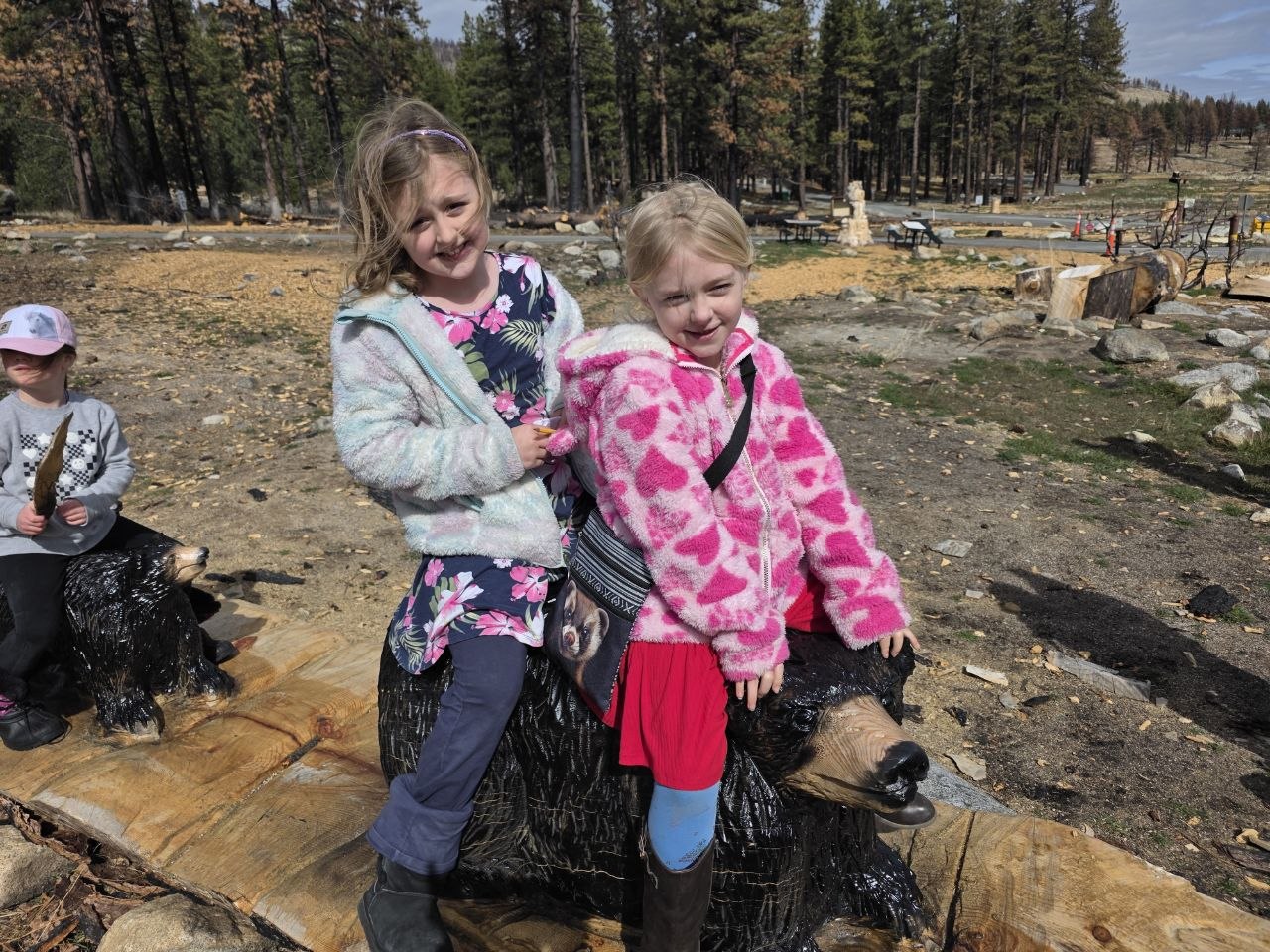
    The area went through the Davis Fire in 2024, which scorched thousands of acres across Washoe Valley. What could have been a story of loss became something unexpected — local chainsaw artist Tim Torell has been carving the fire-blackened stumps into stunning wildlife sculptures. A momma bear. Her cubs. Each one emerging from a tree that could have been forgotten.

    Kristy and Brooke climbed right on. Laughing, posing, completely in awe of what someone’s hands and creativity had made out of something broken.

    That’s a lesson you can’t teach from a book.

    The afternoon wrapped up the best way possible — with new friends. The homeschool group brought together kids and families we hadn’t met before, and by the end of the hike, the girls were running around like they’d known each other for years. That sense of community, of finding your people out in the world — that’s one of the things we love most about this homeschool journey.

    Davis Creek is worth the trip. Bring bug jars, wear good shoes, and let the kids lead.

    —

    We homeschool on our 5-acre homestead in Lyon County, Nevada. Starnook is where we share the adventure — the hikes, the experiments, the animals, and the lessons that show up when you least expect them.

  • Starnook Science: Exploring the States of Matter with Dry Ice!

    Starnook Science: Exploring the States of Matter with Dry Ice!

    🔬 Starnook Science: Exploring the States of Matter with Dry Ice!

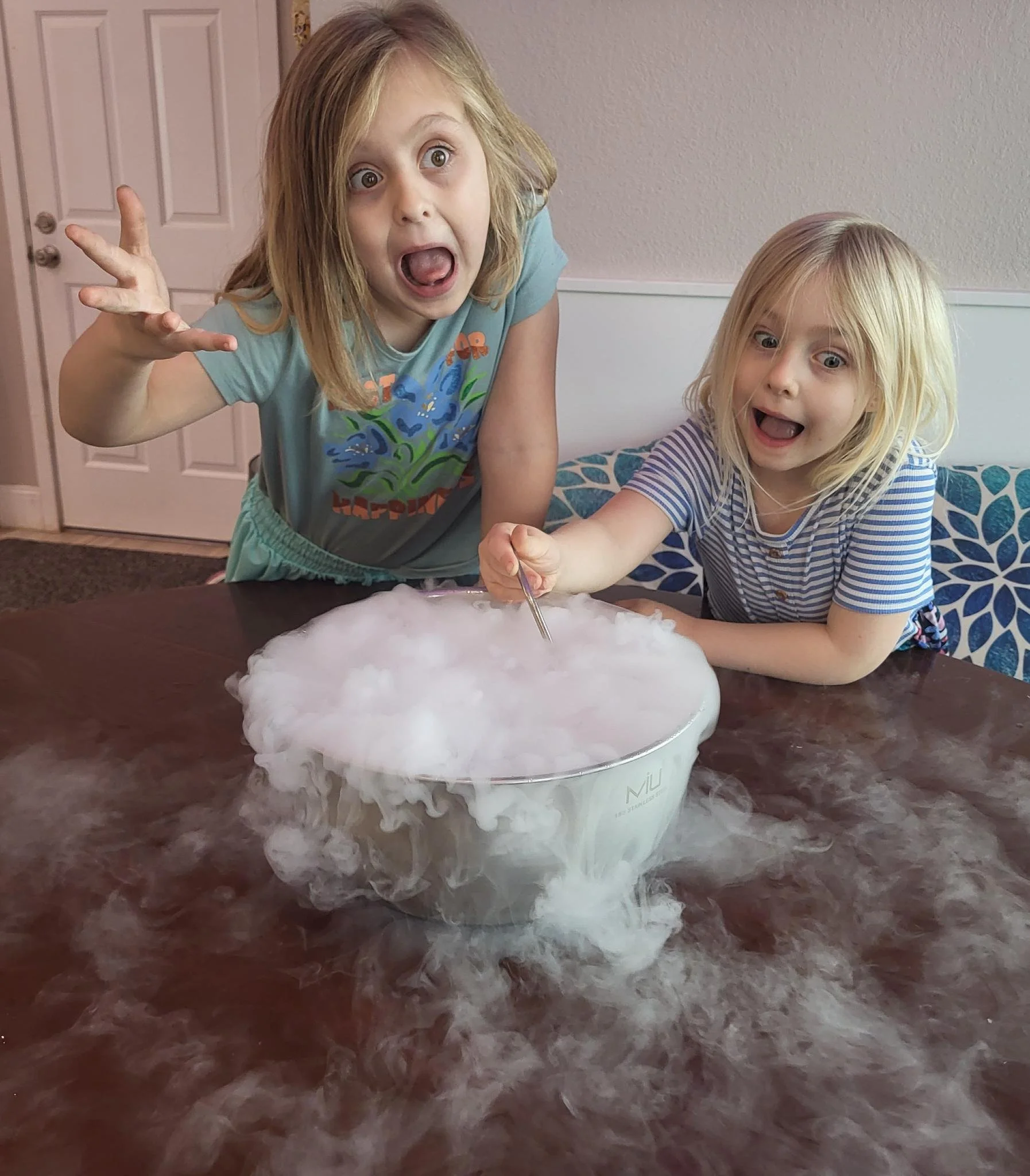
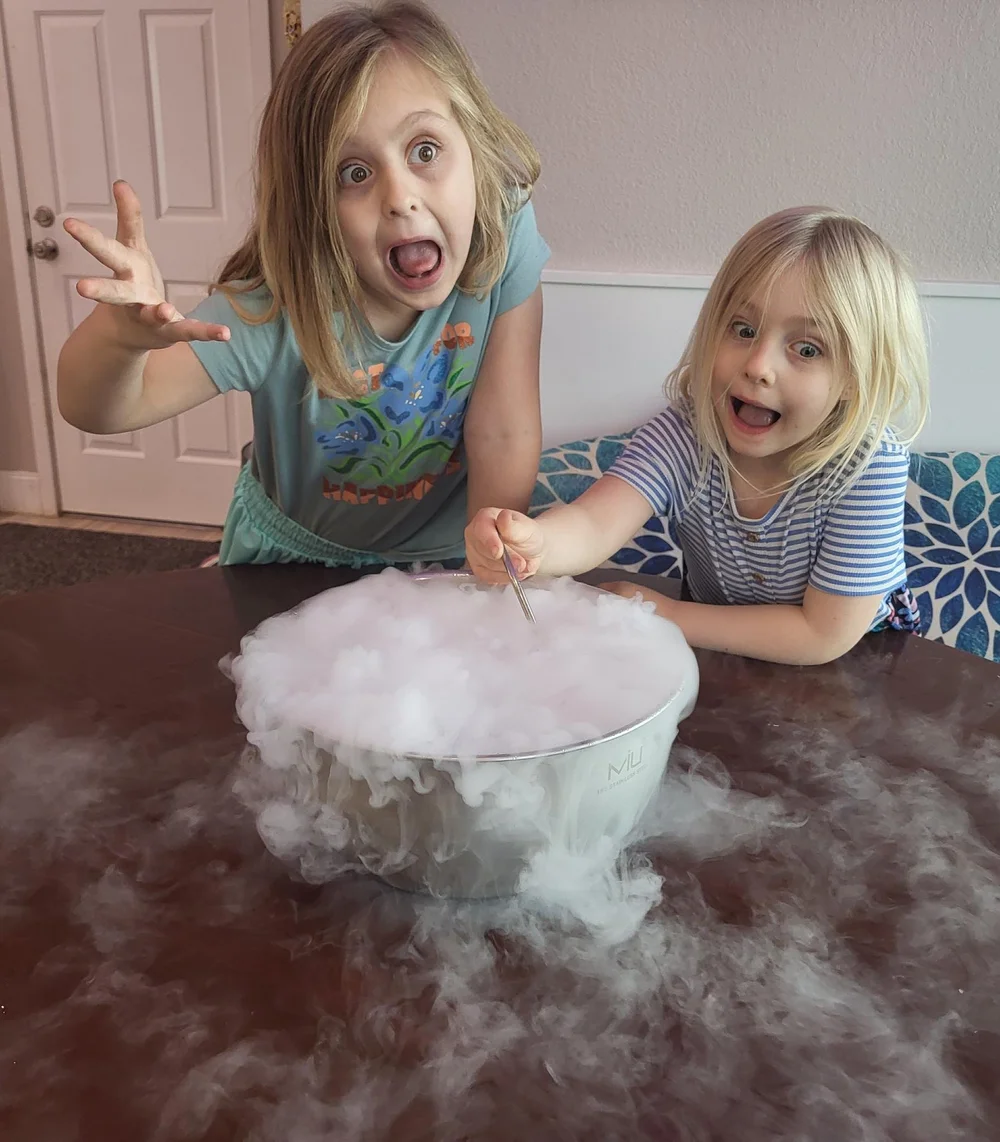
    This week at Starnook, we brought science to life—literally! We got our hands on some dry ice, and it turned into one of the most exciting and hands-on science projects we’ve done so far.

    Kristy and Brooke were completely mesmerized watching the dry ice bubble, smoke, and swirl in a bowl of warm water. It wasn’t just fun—it was a perfect opportunity to talk about one of the core concepts in early science: the three states of matter.

    🧪 What We Learned: The Three States of Matter

    In just one experiment, we got to see all three states of matter happening at once:

    • 💧 Liquid – the warm water in the bowl

    • 🧊 Solid – the dry ice itself (which is frozen carbon dioxide!)

    • 💨 Gas – the foggy smoke that forms as the dry ice sublimates

    We learned that sublimation is when a solid turns straight into a gas without becoming a liquid first. That’s exactly what dry ice does—and it looks like magic when it happens!

    🧠 Why It’s a Great Homeschool Project

    This experiment checked all the boxes for an engaging and educational science day:

    • 🌡 Simple materials (just dry ice and warm water)

    • 👀 Immediate visual results

    • 📚 Easy to connect with foundational science concepts

    • 🧒 Fun and safe with supervision

    We even talked about how this relates to the water cycle, weather, and the science behind fog and clouds.

    💡 Pro Tip for Parents

    We made sure to:

    • Use gloves or tongs when handling the dry ice (it’s -109°F!)

    • Do the experiment outside so the fog could drift and swirl safely

    • Let the girls describe what they saw in their own words and draw it in their science journals

  • Starnook Beginnings: Creating Our Homeschool Space & Embracing Learning Everywhere

    Starnook Beginnings: Creating Our Homeschool Space & Embracing Learning Everywhere

    📚 Starnook Beginnings: Creating Our Homeschool Space & Embracing Learning Everywhere

    When we first started our homeschooling journey here at Starnook, we knew that organization and intention would go a long way in making each day smoother for everyone—especially for our two wonderful girls.

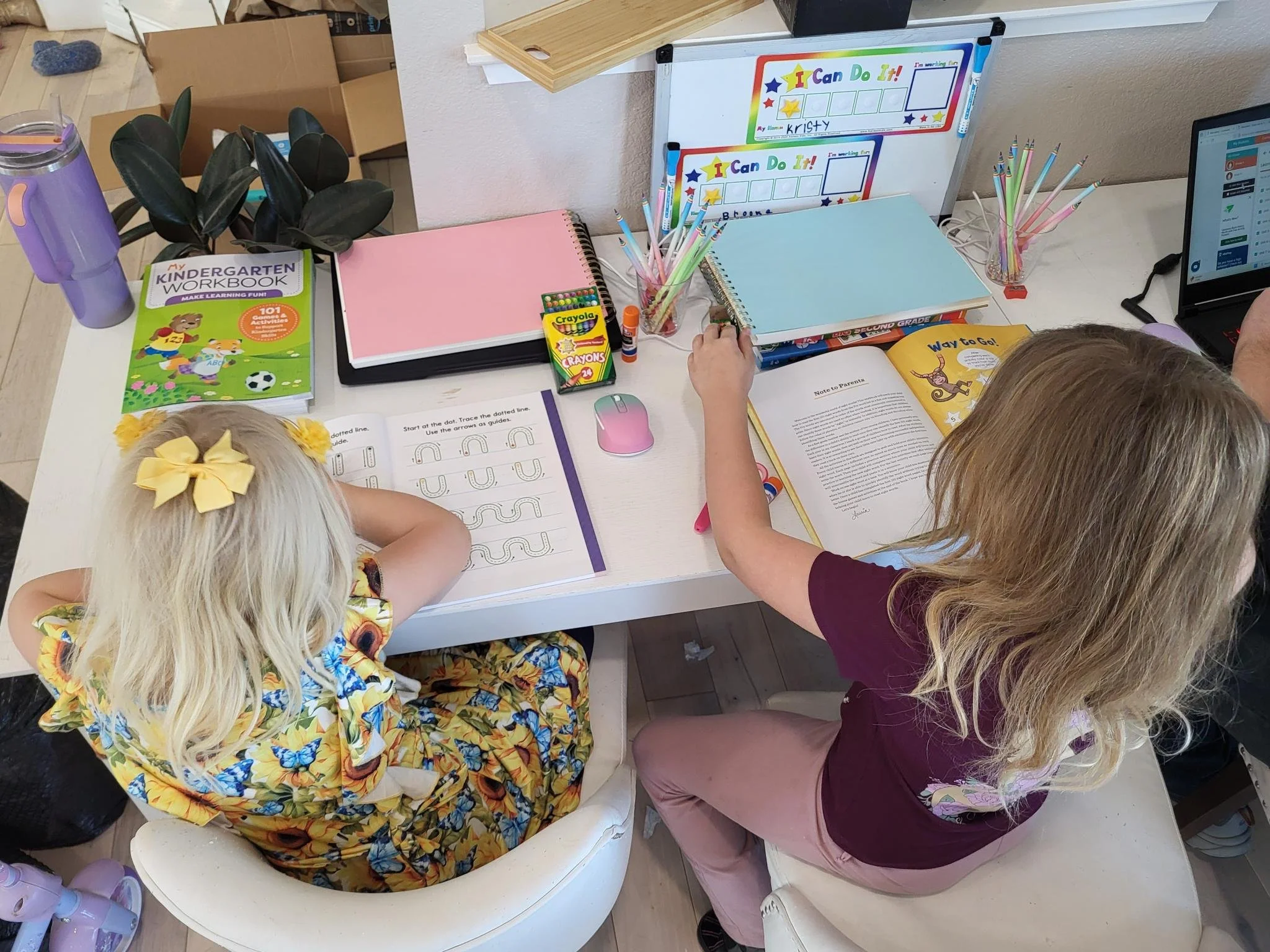
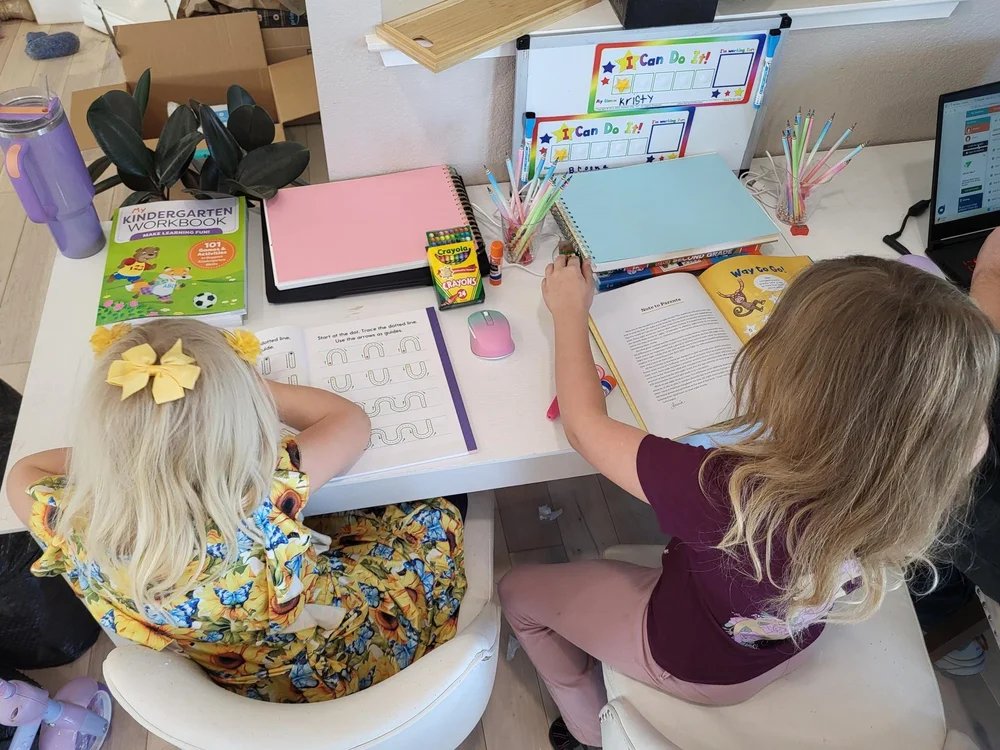
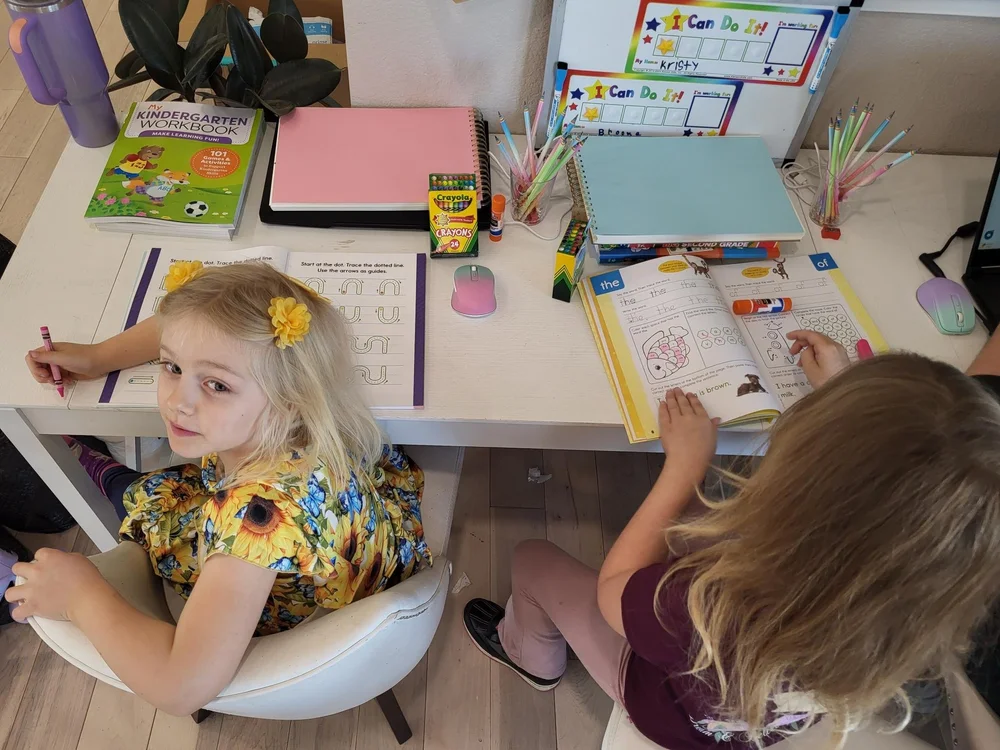
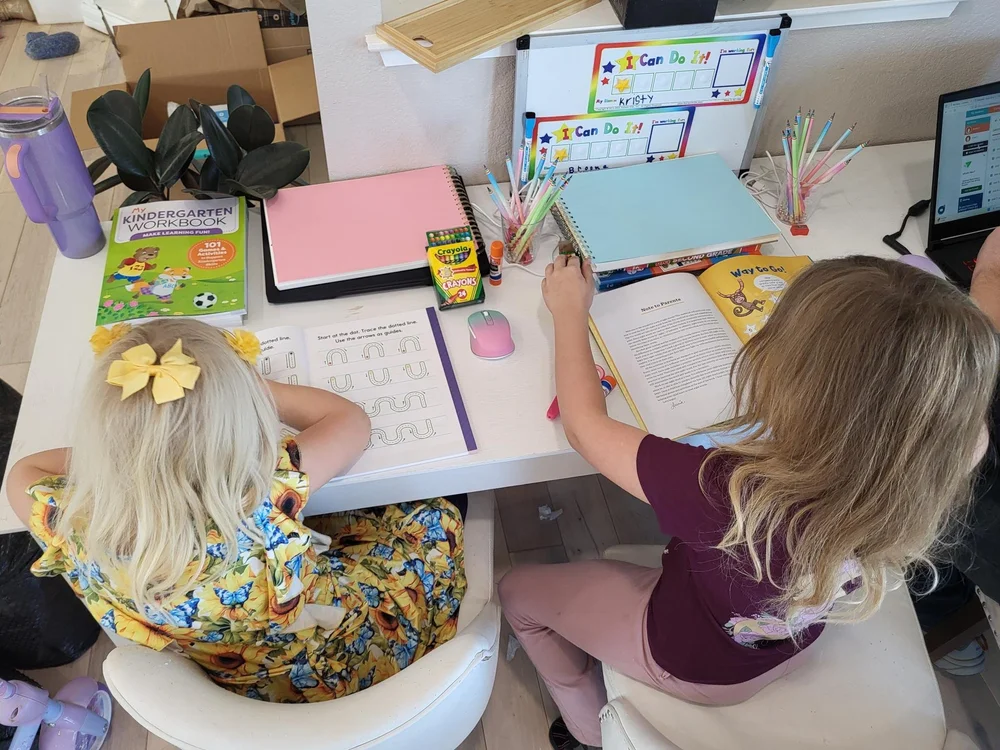
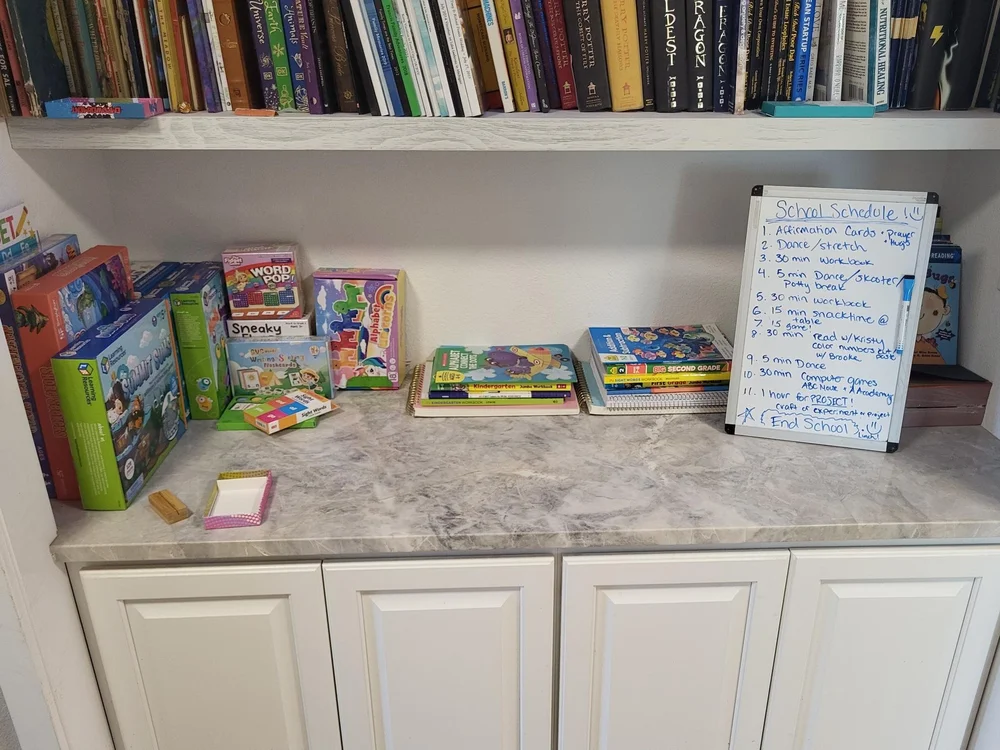
    So we set aside a cozy, dedicated homeschool space in our home:

    • ✏️ A special cabinet and counter area holds all our school materials

    • 🪑 Two adorable desks with computer chairs for working on projects

    • 🎨 Easy access to markers, paper, books, and supplies to fuel creativity

    It’s become a little hub where the girls can find everything they need to start the day—whether it’s math, reading, drawing, or just writing stories from their imagination.

    🧼 Learning to Tidy Up, Too!

    Of course, we’ve learned over time that things get messy. Projects spread out. Markers roll away. Papers stack up. But that’s part of the process! Keeping our space organized has become a valuable lesson in responsibility, and the girls are learning that tidying up is part of taking pride in their work.

    🏡 But Learning Happens Everywhere

    While the homeschool desk is a great starting point, maybe the biggest lesson we’ve learned as a family is this:

    Learning doesn’t only happen at a desk. It happens everywhere.

    We’ve had beautiful reading time curled up in bedrooms or on the couch.
    We’ve had math and observation lessons at the chicken coop.
    We’ve explored science and nature while caring for animals in the backyard.
    And the best lessons often come when we least expect them—when we’re walking, talking, or watching something new together.

    This is what homeschooling at Starnook is all about: giving our kids a structured place to learn while also creating the freedom to explore, grow, and experience the world in a way that’s meaningful and memorable.

    signal-2025-06-02-001233_002.jpeg

    signal-2025-06-01-234916_004.jpeg

    signal-2025-06-01-234916_003.jpeg

    signal-2025-06-01-234916_002.jpeg

  • Hello world!

    Welcome to WordPress. This is your first post. Edit or delete it, then start writing!